Looking for a taste of authentic Hanoi? A Hanoi food guide is just what you need to navigate the city’s vibrant culinary scene. From the iconic Pho to the bustling streets of the Old Quarter, Hanoi’s food culture is a true reflection of its rich history and culture. With a focus on rice-based dishes, noodles, fresh herbs, and aromatic broths, Hanoi’s cuisine is a must-try for any traveler.
In this article, we’ll take you on a culinary journey through Hanoi’s top 10 must-try foods, including Pho, Bun Cha, Cha Ca, and more. We’ll also provide practical tips on food safety, allergen awareness, and vegetarian options, as well as advice on choosing busy eateries and local markets. Whether you’re a foodie or just looking to try some new flavors, our Hanoi food guide will help you make the most of your culinary adventure in this incredible city.
Introduction to Hanoi’s Food Culture
Hanoi’s food culture is deeply rooted in its history and significance, with traditional Vietnamese cuisine being a major part of the city’s identity. The city’s culinary scene has been influenced by its past as the capital of Vietnam, with many dishes and ingredients reflecting its imperial and colonial heritage. Vietnamese cuisine is known for its emphasis on fresh herbs, grilled meats, and aromatic broths, which are often served with rice-based dishes and noodles.
Hanoi’s food culture is also closely tied to its social and cultural norms, with meals often being an important part of family gatherings and social events. The city’s street food scene is particularly famous, with popular dishes like pho and bun cha being served from sidewalk stalls and family-run restaurants. Visitors to Hanoi can experience the city’s food culture firsthand by exploring the Old Quarter, visiting traditional coffee shops, and taking part in food walks and local market tours.
For visitors to Hanoi, it’s essential to be aware of some basic food safety tips, such as choosing restaurants with high turnover and eating from stalls or restaurants that are busy with locals. It’s also important to be mindful of common allergens like fish sauce, shrimp paste, pork, and peanuts, which may be present in some dishes. Additionally, many of Hanoi’s popular dishes are pork-free or vegetarian, making it relatively easy for visitors with dietary restrictions to find suitable options.
Top 10 Must-Try Hanoi Foods
Discover the iconic dishes that will make your Hanoi food experience unforgettable. At the heart of Hanoi’s culinary scene are rice-based dishes, noodles, fresh herbs, grilled meats, aromatic broths, and family-run restaurants. The Old Quarter is a popular area for exploring street food, where the aromas of sizzling meats and steaming noodles fill the air.
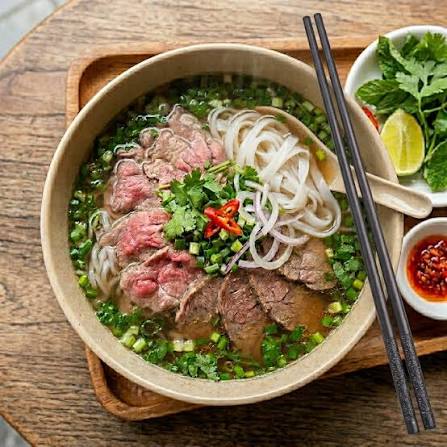
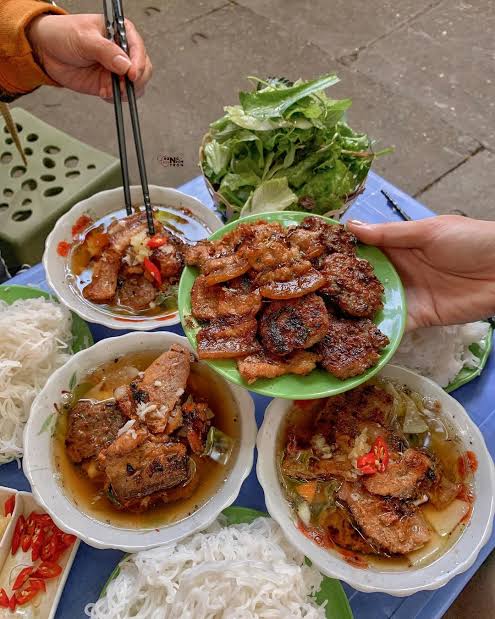
Must-try foods in Hanoi include Pho, a beef noodle soup with rice noodles and aromatic broth, Bun Cha, grilled pork served with rice vermicelli, fresh herbs, and dipping sauce, and Cha Ca, turmeric fish cooked with dill and served with noodles, herbs, and peanuts. Other iconic dishes include Banh Cuon, steamed rice rolls filled with pork and mushrooms, Xoi, sticky rice with savory or sweet toppings, Bun Thang, delicate Hanoi noodle soup with chicken, egg, and Vietnamese sausage, and Nem Ran, crispy fried spring rolls.
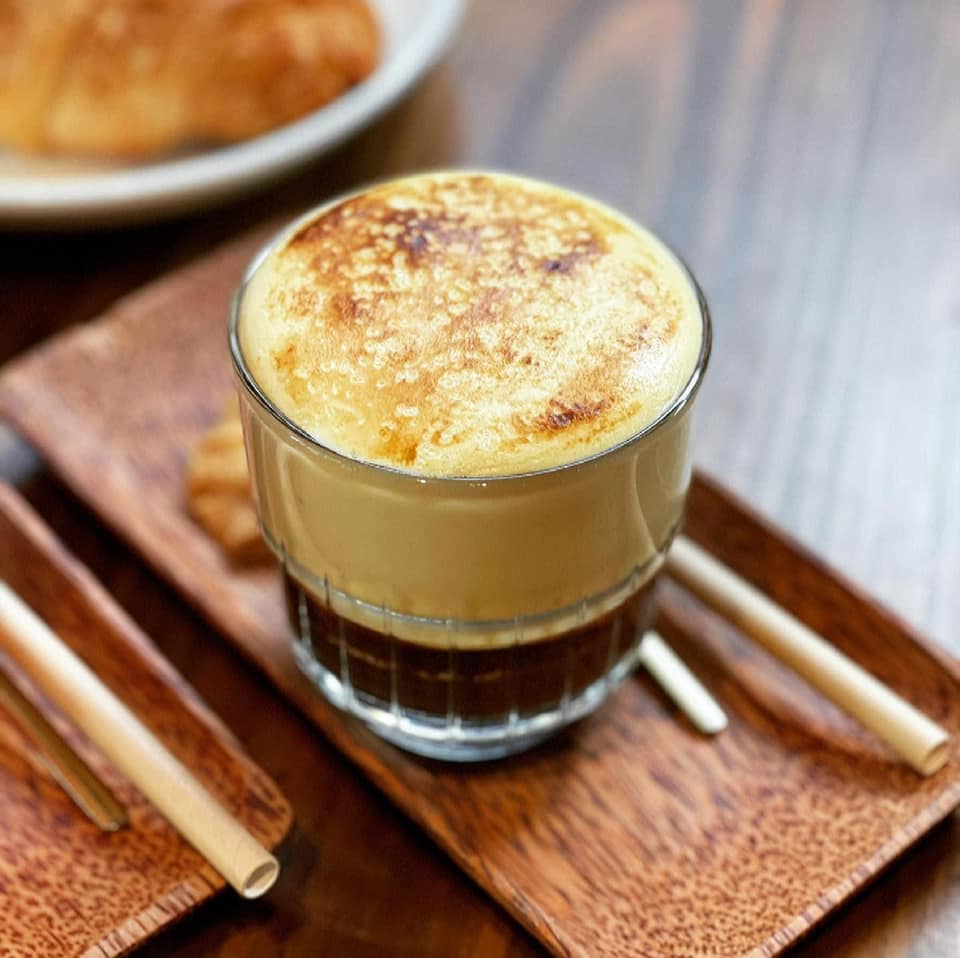
When trying these dishes, be aware of common allergens like pork, peanuts, and fish sauce, and consider opting for pork-free or vegetarian options. Additionally, be mindful of food safety by choosing busy eateries and opting for cooked dishes. Don’t forget to try some of Hanoi’s unique coffee creations, like Egg Coffee, and learn some basic Vietnamese food phrases to enhance your dining experience.
Practical Food Safety Tips
When dining out in Hanoi, it’s essential to prioritize your health and safety. To avoid foodborne illnesses, stick to reputable restaurants and street food stalls that are popular with locals and tourists alike. Be cautious when eating at stalls with long queues, as this can indicate that the food is in high demand and likely to be fresh. Opt for stalls or restaurants with a high turnover of customers and a clean environment.
Be aware of potential allergens in traditional Vietnamese dishes, such as fish sauce, shrimp paste, and peanuts. If you have a peanut allergy, for example, you may want to avoid dishes like Cha Ca, which often includes peanuts. Also, if you’re vegetarian or vegan, some dishes like Bun Cha and Pho may contain pork or other animal products. Always inform your server or the chef about any dietary restrictions or allergies, and ask for vegetarian or vegan options when available.
When choosing a busy eatery, look for signs of freshness and quality, such as a steady supply of ingredients, clean utensils, and a well-stocked pantry. Avoid eating at stalls that seem dirty or disorganized. By taking these precautions and being mindful of potential allergens, you can enjoy a safe and delicious Hanoi food experience.
Allergen Awareness and Dietary Considerations
Navigating Hanoi’s food scene with dietary restrictions and allergies requires some knowledge and planning. The first step is to learn basic Vietnamese food phrases, such as “Tôi không ăn” (I don’t eat) or “Tôi có dị ứng” (I have an allergy). This will help you communicate your needs to vendors and restaurant staff.
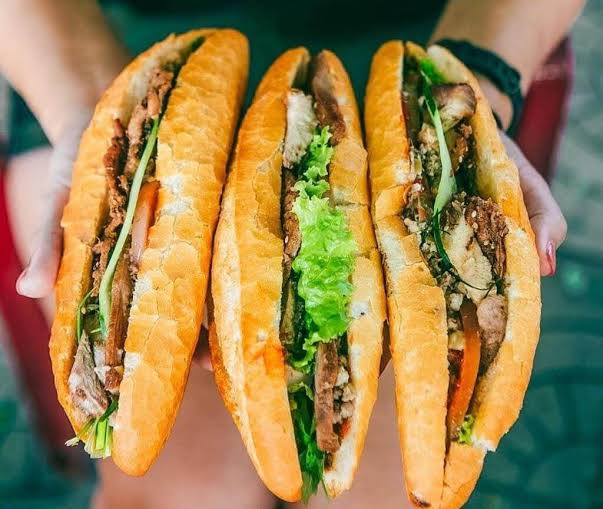
When dining out, it’s essential to be aware of common allergens like fish sauce, shrimp paste, pork, and peanuts, which may be present in various dishes. For example, Cha Ca, a popular turmeric fish dish, contains peanuts, while Banh Mi, a crispy baguette, may include pork and mayonnaise made with fish sauce.
To ensure a safe and enjoyable dining experience, consider visiting busy eateries that are popular among locals, as these tend to have a higher turnover of ingredients and are more likely to have a better understanding of food allergies. Food walking tours are also an excellent way to explore local markets and street food stalls, where you can learn about traditional Vietnamese cuisine and gain insight into the local food culture.
Choosing Busy Eateries and Local Markets
To get the most out of your Hanoi food experience, it’s essential to know where to find the best eateries and local markets. Locals often recommend visiting the Old Quarter, a bustling area filled with street food stalls and family-run restaurants. Another insider tip is to ask your hotel concierge or a local friend for directions to popular food spots. They can point you in the right direction and help you avoid touristy areas.
When selecting a restaurant or food stall, look for places that are busy with locals, as this is often a sign of delicious and authentic food. Be mindful of food safety by choosing stalls or restaurants that follow proper hygiene practices, and avoid eating from stalls with visible signs of unsanitary conditions. Also, be aware of common allergens like fish sauce, shrimp paste, pork, and peanuts, which may be present in many dishes.
Before trying new foods, learn some basic Vietnamese phrases like “Xin chào” (hello), “Cảm ơn” (thank you), and “Bao nhiêu tiền?” (how much?). Consider joining a food walking tour, which can provide a unique and local culinary experience. These tours often cover popular markets and food stalls, and can help you discover hidden gems and avoid tourist traps.
Hanoi Food Experiences: Breakfast, Lunch, and More
When it comes to Hanoi food experiences, you’ll want to start your day with a delicious breakfast pho, a steaming bowl of rice noodles and aromatic broth that’s sure to warm you up. Look for street food stalls or family-run restaurants in the Old Quarter to get the best value for your money, with prices ranging from $1.50 to $4 per bowl. Don’t forget to try some Egg Coffee, a unique Vietnamese coffee drink made with coffee and whipped egg yolk.
For lunch, head to the Old Quarter to try some Bun Cha, a classic Hanoi dish of grilled pork served with rice vermicelli, fresh herbs, and dipping sauce. Be sure to ask your server about the ingredients, as some dishes may contain pork or peanuts. If you’re looking for a vegetarian option, consider trying some Xoi, sticky rice with savory or sweet toppings. Don’t forget to try some Banh Mi, a crispy baguette with pate, pork, pickled vegetables, and cilantro – just be sure to ask about the pork content.
As the sun sets, grab a seat at a traditional coffee shop and try some Cha Ca, turmeric fish cooked with dill and served with noodles, herbs, and peanuts. Or, visit a local market to try some fresh fruits and snacks, such as Banh Cuon, steamed rice rolls filled with pork and mushrooms. Just be aware that some dishes may contain fish sauce, shrimp paste, or other allergens, so be sure to ask about ingredients and ask for modifications if needed. With a little knowledge and planning, you can enjoy a delicious and authentic Hanoi food experience.
Frequently Asked Questions
What is the best time to try Pho in Hanoi?
When it comes to trying Pho in Hanoi, the best time is during the morning or early evening, when the broth is typically at its most flavorful. Avoid eating Pho in the middle of the day, as the broth may have been sitting out for an extended period. Additionally, make sure to choose a reputable eatery with a high turnover of customers to minimize the risk of foodborne illness.
Can I find vegetarian options in Hanoi?
Vegetarian options can be found in Hanoi, particularly in family-run restaurants and street food stalls that offer vegetarian versions of traditional dishes. Many restaurants now offer vegetarian options, such as Bun Thang and Xoi, which can be easily identified as vegetarian-friendly. To ensure a safe dining experience, visitors should also be aware of potential allergens like fish sauce and shrimp paste, and pork-free options can be found by asking locals for recommendations.
How do I order food in Vietnamese?
To order food in Vietnamese, it’s helpful to learn basic phrases such as “Xin chào” (hello) and “Cảm ơn” (thank you), as well as “Tôi muốn món này” (I want this dish). You can also point to the menu and say “món này” (this dish) or “những món này” (these dishes). Additionally, asking for “nước ngọt” (water) and “butter” (for noodles) can also be useful.
When choosing a busy eatery, look for signs that indicate the restaurant is popular among locals. Be aware that some dishes may contain common allergens such as fish sauce, shrimp paste, pork, and peanuts, so it’s a good idea to ask about ingredients before ordering. If you have dietary restrictions, such as being pork-free or vegetarian, don’t hesitate to ask your server for options.
For visitors who want to immerse themselves in local culinary experiences, consider joining a food walking tour. These tours can take you to hidden gems and introduce you to a variety of traditional dishes, such as Pho, Bun Cha, and Banh Mi. Don’t forget to try some local coffee and snacks, like Egg Coffee and Banh Cuon, to round out your Hanoi food experience.
Conclusion
For a truly immersive Hanoi food experience, consider partnering with a local travel company like Indo-Pacific Travel, who can guide you through the best eateries, markets, and hidden gems of the Old Quarter. With their expertise, you’ll not only discover the must-try dishes but also get insider tips on food safety, allergens, and vegetarian options. Let a local expert help you navigate the vibrant food scene, from traditional coffee shops to bustling markets, and enjoy a hassle-free culinary adventure in Hanoi.
Plan your trip with Indo-Pacific Travel. Email: sales@indo-pacifictravel.com | WhatsApp/Zalo: +84 94 392 05 55
