Planning a trip to Vietnam but wondering whether it is safe? You are not alone. Before visiting a new country, it is natural to have questions about personal safety, transportation, food hygiene, local customs, and common tourist scams.
The good news is that Vietnam is generally considered a safe destination for international visitors. Millions of travelers explore its vibrant cities, beautiful beaches, peaceful countryside, and cultural attractions every year.
However, like any travel destination, Vietnam has a few things visitors should be aware of. With some preparation and common sense, you can enjoy your journey with greater confidence.
Here is everything you need to know about safety in Vietnam, along with practical tips to help you have a comfortable and memorable trip.
1. Is Vietnam Safe for Tourists?
Yes, Vietnam is generally safe for tourists, including first-time visitors, couples, families, and solo travelers.
Violent crime against tourists is relatively uncommon, but petty theft, pickpocketing, and bag snatching can happen, particularly in crowded places and busy tourist areas.
Major destinations such as Hanoi, Ho Chi Minh City, Da Nang, Hoi An, and Ninh Binh welcome international visitors throughout the year.
The most important thing is to stay aware of your surroundings, protect your belongings, and use reliable transportation and tour services.
For the latest information, always check your government’s official travel advice before departure.
2. Is It Safe to Walk Around Vietnamese Cities?
Walking around Vietnam is a great way to discover local life. You can explore Hanoi’s Old Quarter, enjoy the riverside atmosphere in Hoi An, or discover the cafés and markets of Ho Chi Minh City.
Most popular tourist areas are busy and lively, but there are a few precautions to remember.
Watch your belongings
Keep your phone, wallet, and camera secure, especially in crowded streets and markets. Avoid carrying expensive items unnecessarily or displaying large amounts of cash.
When walking near traffic, keep your handbag on the side away from the road.
Be careful with your phone
Avoid holding your phone loosely near the roadside. Motorcycle-related phone and bag snatching can occur in busy urban areas.
Stay aware at night
Popular tourist neighborhoods often have restaurants, cafés, and nightlife. Stick to well-lit streets, arrange reliable transport when returning to your accommodation, and avoid isolated areas late at night.
3. Is Traffic in Vietnam Dangerous?
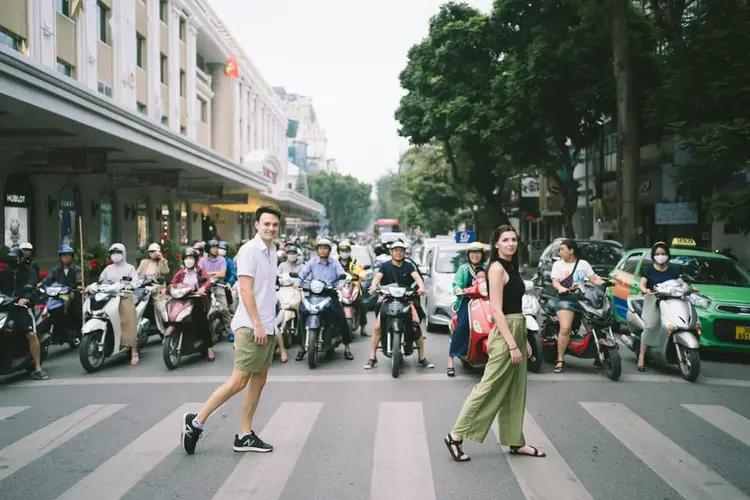
Traffic is probably one of the biggest surprises for first-time visitors.
In cities such as Hanoi and Ho Chi Minh City, thousands of motorbikes share the roads with cars, buses, bicycles, and pedestrians. It may look chaotic, but traffic follows patterns that become easier to understand over time.
Here are some practical tips:
- Cross at pedestrian crossings or traffic lights whenever possible.
- Walk slowly and steadily rather than suddenly stopping or running.
- Look in both directions and remain alert while crossing.
- Avoid using your phone while crossing busy roads.
- Choose reputable transport services instead of accepting random offers.
If you want to explore Vietnam by motorbike, make sure you have the appropriate licence, experience, helmet, and insurance coverage. Riding without sufficient experience is not recommended.
For a more comfortable journey, consider a private car with a professional driver.
Explore: Vietnam Private Tours – discover Vietnam with a flexible itinerary and convenient private transportation.
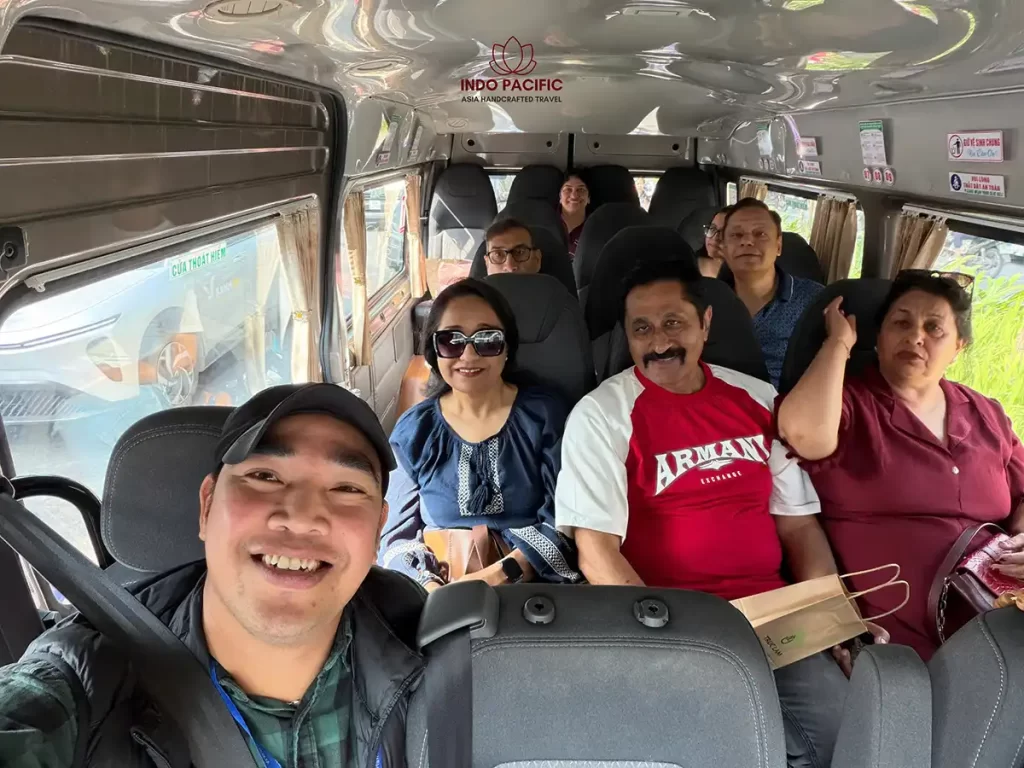
4. How to Avoid Common Tourist Scams in Vietnam
Most Vietnamese people are friendly and welcoming, but visitors should still be careful when dealing with unfamiliar services.
Some common situations to watch out for include:
Taxi and transportation scams
Use established taxi companies or reputable ride-hailing apps. Before getting into a vehicle, check that the driver and vehicle details match your booking.
Unclear prices
At markets, street stalls, and some tourist businesses, prices may not always be displayed. Ask the price before ordering or purchasing something.
Unofficial tour operators
Be careful when booking unusually cheap cruises, trekking trips, or sightseeing tours from unknown providers. Check reviews, inclusions, cancellation policies, and safety arrangements before paying.
Choosing a reputable local travel company can make organizing your trip easier and help you avoid unnecessary uncertainty.
5. Is Vietnamese Street Food Safe to Eat?
Trying Vietnamese food is one of the highlights of visiting the country. From pho and banh mi to fresh spring rolls and bun cha, there are countless delicious dishes to discover.
However, travelers should take basic food and water precautions.
- Choose busy food stalls with a high turnover of customers.
- Prefer freshly cooked food served hot.
- Wash or sanitize your hands before eating.
- Drink sealed bottled water if you are unsure about the local water supply.
- Be cautious with raw or undercooked seafood and meat.
- Tell restaurants about any food allergies or dietary restrictions.
If you are a food lover, explore our guide to 10 Must-Try Foods in Hanoi and discover some of the country’s most popular local dishes.
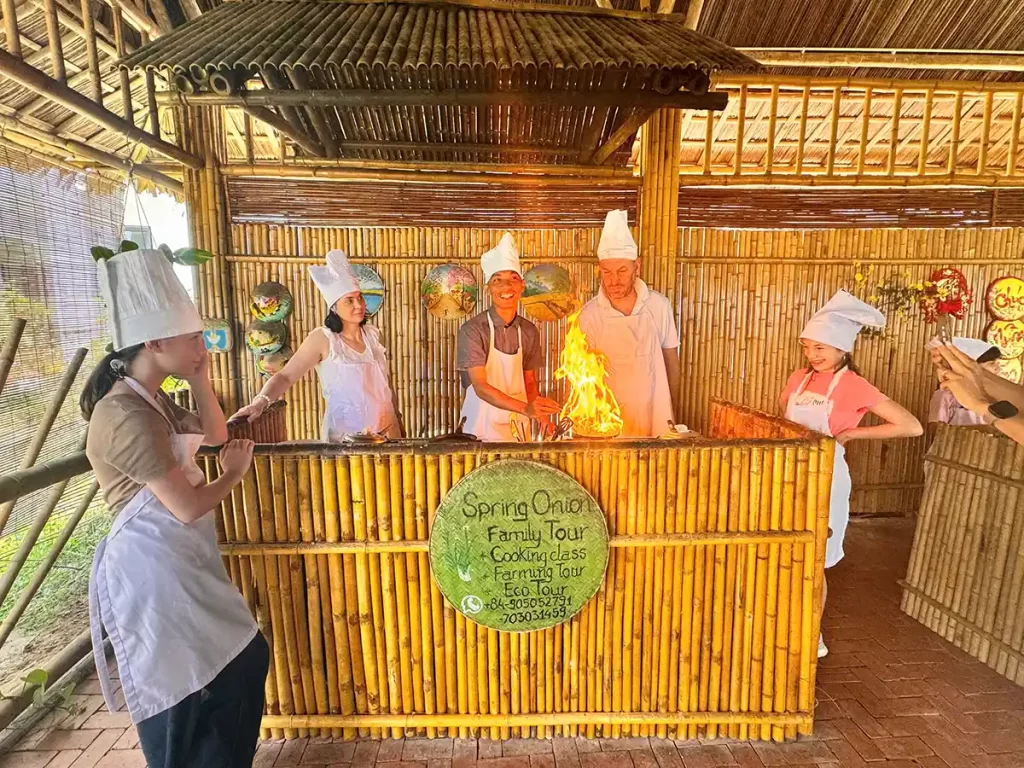
6. Is Vietnam Safe for Solo and Female Travelers?
Vietnam is a popular destination for solo travelers, including women traveling independently.
Many visitors enjoy exploring cities, joining group activities, and meeting other travelers along the way.
Nevertheless, it is sensible to take the same precautions you would in any unfamiliar destination:
- Choose accommodation with good reviews and a convenient location.
- Use reputable transport services, especially at night.
- Keep friends or family informed about your itinerary.
- Avoid leaving drinks unattended.
- Be cautious about sharing personal information with strangers.
- Trust your instincts and leave situations that make you uncomfortable.
Joining a guided day trip or small-group tour can also be a good way to explore unfamiliar areas while meeting other travelers.
7. Health and Weather Safety in Vietnam
Vietnam has a tropical and subtropical climate, so weather conditions can vary significantly between regions.
Heat, humidity, heavy rain, and seasonal storms may affect your travel plans.
Before your trip:
- Pack sunscreen, insect repellent, and suitable clothing.
- Stay hydrated, particularly during outdoor activities.
- Consider travel insurance that covers medical expenses and planned activities.
- Check local weather forecasts before trekking, boating, or visiting remote areas.
- Consult a healthcare professional or travel clinic about recommended vaccinations and health precautions.
During the rainy and storm seasons, heavy rainfall may cause flooding, landslides, or transport disruption in some areas. Follow local guidance and avoid flooded roads or unsafe waterways.
For more preparation advice, read our What to Pack for Vietnam: The Ultimate Packing Checklist.
8. Respect Local Customs and Laws
Vietnamese culture is generally welcoming to international visitors. Showing respect for local customs will help you enjoy a more positive travel experience.
When visiting temples, pagodas, and religious sites, dress modestly and follow posted instructions.
Ask permission before photographing people, especially in rural communities. Avoid touching religious objects or entering restricted areas without permission.
You should also respect local laws, follow instructions from authorities, and avoid taking photographs in restricted military or security areas.
9. Is It Safe to Travel Around Vietnam on a Tour?
Yes, organized tours can be a convenient option, particularly for first-time visitors who want to explore several destinations.
A well-planned itinerary can help you arrange transportation, accommodation, sightseeing, and local experiences without having to manage every detail yourself.
For example, you could explore Hanoi, enjoy a cruise in Ha Long Bay, discover the beaches of Da Nang, and walk through Hoi An’s Ancient Town on one journey.
If you enjoy outdoor activities, our Vietnam Adventure Tours offer inspiration for exploring mountain landscapes, countryside villages, and nature.
You can also explore our Vietnam Itinerary 10 Days for a multi-destination journey through some of the country’s highlights.
Before booking any tour, check the operator’s reputation, itinerary, inclusions, cancellation terms, and safety arrangements.
10. Emergency Numbers and Important Safety Contacts
Save these local emergency numbers before traveling:
- Police: 113
- Fire and rescue: 114
- Ambulance: 115
Keep your travel insurance details, passport copy, accommodation address, and your country’s embassy or consulate contact information accessible.
If your passport is lost or stolen, contact the local authorities and your embassy or consulate for assistance.
Final Thoughts: Should You Visit Vietnam?
Absolutely! Vietnam offers an incredible combination of natural beauty, fascinating culture, delicious food, and warm hospitality.
Although travelers should be aware of traffic, petty theft, weather conditions, and occasional tourist scams, these concerns should not stop you from discovering the country.
Prepare well, choose reliable services, respect local customs, and stay aware of your surroundings.
With the right planning, Vietnam can be a wonderful destination for your next adventure.
Plan Your Vietnam Trip with Indo-Pacific Travel
Want to explore Vietnam without worrying about organizing every detail yourself?
At Indo-Pacific Travel, we help international travelers discover Vietnam through personalized itineraries, local experiences, and professional travel support.
Whether you are planning a cultural holiday, a family vacation, a private journey, or an adventure through Vietnam’s beautiful landscapes, our team is ready to help.
Tell us about your dream Vietnam trip!
- Website: https://www.indo-pacifictravel.com
- Email: sales@indo-pacifictravel.com
- WhatsApp: +84 94 392 05 55
Frequently Asked Questions About Safety in Vietnam
1. Is Vietnam safe for tourists in 2027?
Vietnam is generally considered a safe destination for tourists. However, travelers should take normal precautions against petty theft, traffic risks, and common scams. Always check current official travel advice before departure.
2. Is Vietnam safe for American and European tourists?
Yes. American and European visitors travel throughout Vietnam every year. Popular destinations have established tourism services, hotels, restaurants, and transportation options for international visitors.
3. Is it safe to walk around Hanoi at night?
Many central areas of Hanoi, including the Old Quarter, are lively in the evening. Stay in well-lit, busy areas, protect your belongings, and use reliable transportation when returning to your hotel.
4. Is street food safe in Vietnam?
Street food is an important part of Vietnamese culture. Choose busy stalls, eat freshly prepared food, and follow basic hygiene precautions. Travelers with allergies or sensitive stomachs should take extra care.
5. Is Vietnam safe for solo female travelers?
Many women visit Vietnam independently. Choose well-reviewed accommodation, use reputable transportation, avoid isolated areas late at night, and take sensible personal safety precautions.
6. Is it safe to rent a motorbike in Vietnam?
Motorbike traffic can be challenging, especially for inexperienced riders. Only ride if you have the appropriate licence, sufficient experience, suitable insurance, and a proper helmet. Otherwise, consider hiring a car with a driver.
7. Do I need travel insurance for Vietnam?
Travel insurance is strongly recommended. Choose a policy that covers medical treatment, emergency assistance, trip disruption, and any activities you plan to undertake, such as trekking or motorbike riding.