
As you plan your trip to Vietnam, you’re likely to be faced with a daunting question: North vs Central vs South Vietnam. Which region will you choose to experience the unique culture, history, and natural beauty of this fascinating country? With three distinct regions to explore, it can be overwhelming to decide where to go and what to do.
In this article, we’ll delve into the top attractions, climate, food, activities, and travel experiences of each region, helping you make an informed decision about which part of Vietnam is right for you. From the scenic mountains and historic cities of the north, to the imperial history and beaches of the central region, and the vibrant city life and tropical islands of the south, we’ll explore the best of each region and provide you with suggested itineraries, transportation options, and recommendations for first-time visitors, short trips, and longer holidays.
North Vietnam: Mountain Scenery and Cultural Experiences
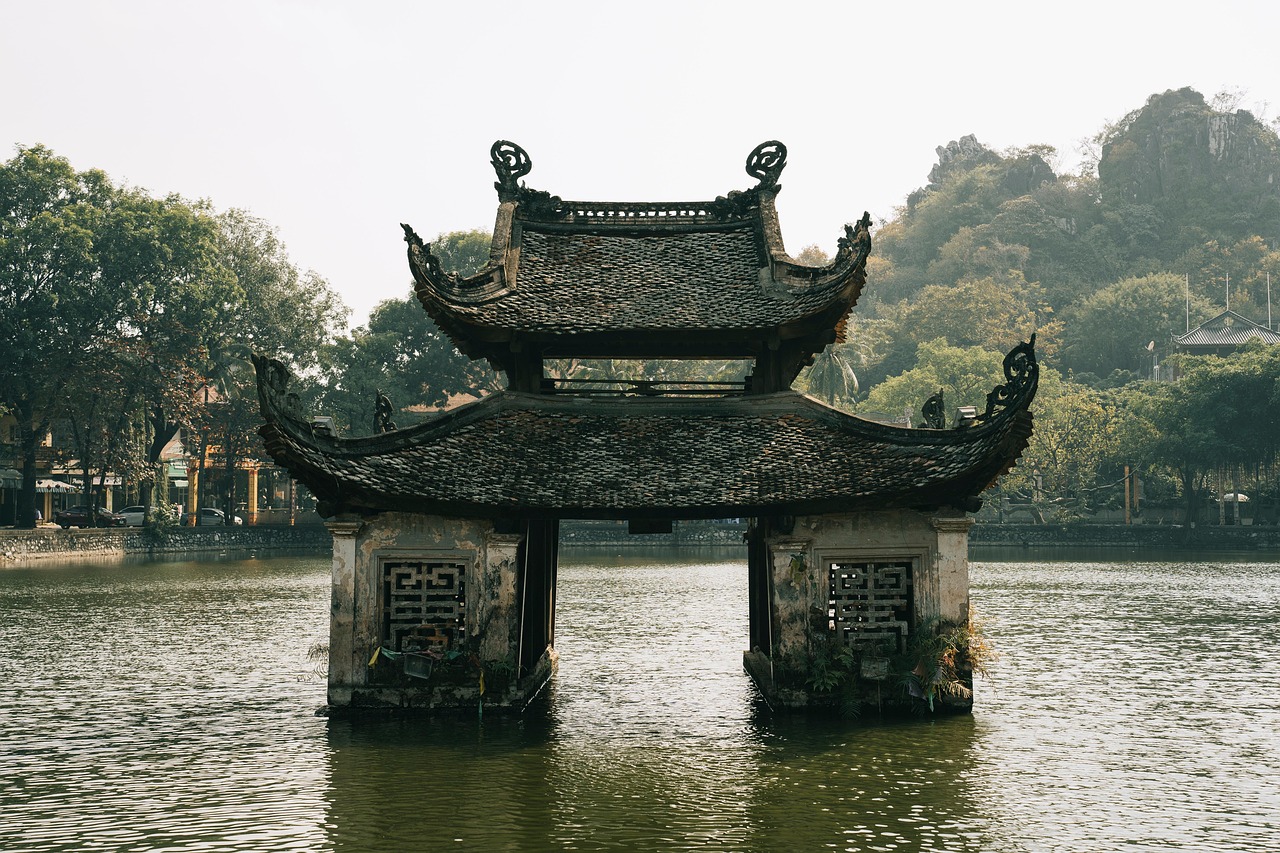
North Vietnam offers a unique blend of history, culture, and natural beauty, making it an ideal destination for travelers seeking a mix of experiences. In Hanoi, the capital city, visitors can explore the Old Quarter, visit the Ho Chi Minh Mausoleum, and enjoy the city’s vibrant street food scene. Nearby, Ha Long Bay is a stunning natural wonder, featuring over 1,600 limestone islands and islets rising out of the emerald waters of the Gulf of Tonkin.
A short trip to Sapa, a mountain town in the northwest, offers breathtaking scenery and opportunities to experience the local hill tribe cultures. Visitors can hike to traditional villages, explore ancient temples, and take in the stunning views of the surrounding mountains. The region’s rice terraces, known as “nong,” are also a sight to behold, with their intricate irrigation systems and lush green landscapes.
Visitors to North Vietnam can enjoy a range of activities, including hiking, cycling, and kayaking, as well as cultural experiences, such as traditional cooking classes and local market visits. The region’s climate is generally mild, with warm summers and cool winters, making it an ideal destination for travelers seeking a mix of sunshine and cooler weather.
Central Vietnam: Imperial History and Beaches
Central Vietnam is a treasure trove of imperial history and stunning beaches, offering a unique blend of cultural experiences and natural beauty. In Hue, the former imperial capital, visitors can explore the majestic Forbidden City, a UNESCO World Heritage Site, and the Tombs of the Emperors, where the emperors of the Nguyen dynasty were buried. The city’s rich history is palpable, with the sound of drums and traditional music filling the air.
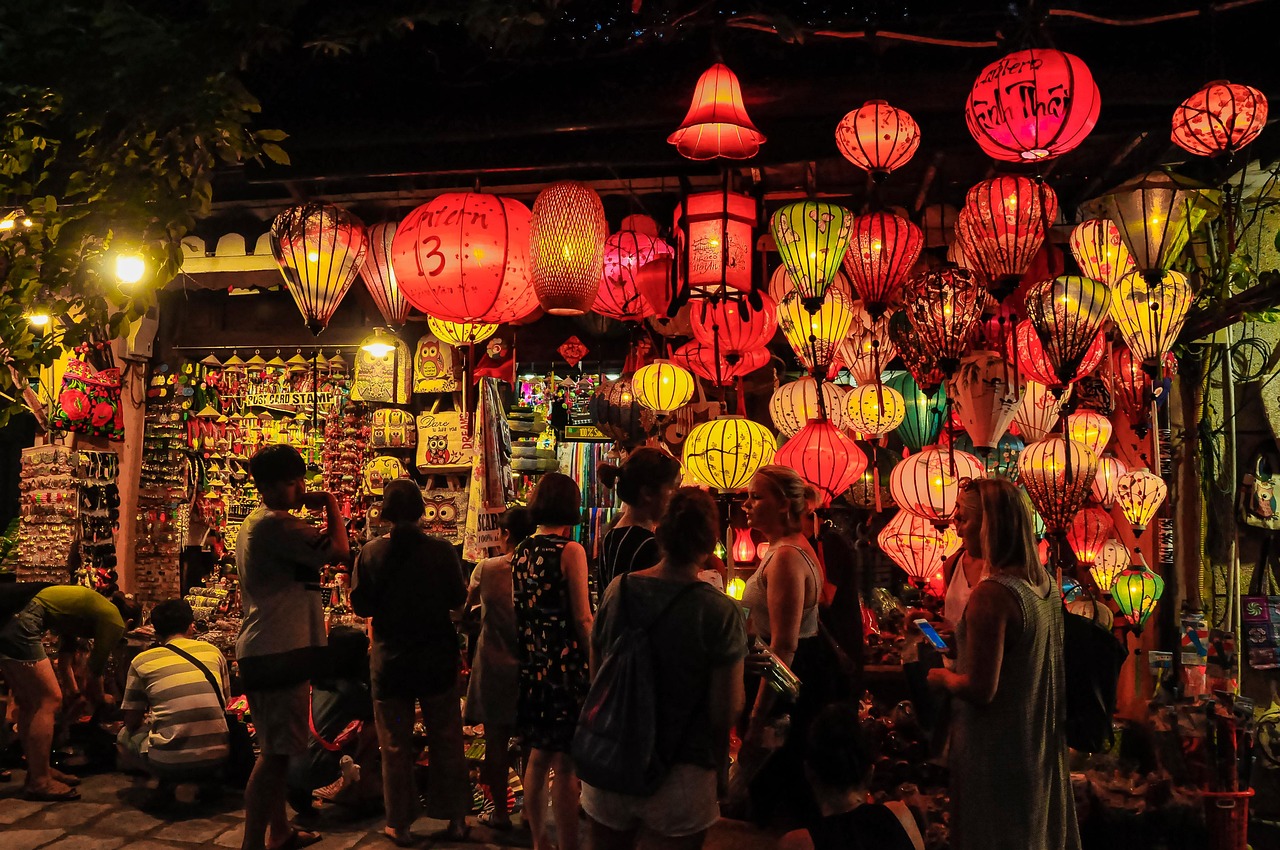
Just a short drive from Hue lies Da Nang, a bustling city with a beautiful beach and a vibrant night market. The city is also home to the famous Marble Mountains, a series of five marble and limestone hills that offer breathtaking views of the city and the sea. Nearby, the ancient town of Hoi An is a must-visit, with its well-preserved architecture, charming streets, and vibrant local markets.
In addition to its cultural and historical attractions, Central Vietnam is also known for its stunning natural beauty, with the rolling hills, lush forests, and beautiful beaches of the region offering endless opportunities for outdoor activities such as hiking, biking, and surfing.
South Vietnam: Vibrant Cities and Tropical Islands
South Vietnam offers a unique blend of urban excitement and tropical relaxation, making it an ideal destination for travelers seeking a mix of culture, nature, and beach activities. In Ho Chi Minh City, the vibrant streets of District 1 and the historic Notre Dame Cathedral are just a few of the many attractions that await visitors. The city’s proximity to the Mekong Delta, a vast network of rivers and canals, provides a glimpse into rural Vietnam and its rich cultural heritage.
A short boat ride from Ho Chi Minh City, the Mekong Delta offers a glimpse into traditional river life, with opportunities to explore floating markets, visit local villages, and sample the region’s famous street food. Further south, the tropical island of Phu Quoc boasts stunning beaches, crystal-clear waters, and a vibrant night market. With its rich history, cultural experiences, and natural beauty, South Vietnam has something to offer every type of traveler.
For those seeking a mix of urban and beach activities, Phu Quoc Island is a must-visit destination. The island’s pristine beaches, such as Sao Beach and Long Beach, are perfect for relaxation, while the nearby Hon Tam Island offers opportunities for snorkeling and diving. With its warm climate year-round, South Vietnam is an ideal destination for travelers seeking a tropical getaway.
Best Time to Visit Each Region
When it comes to visiting North, Central, and South Vietnam, the best time to travel can greatly impact your overall experience. In general, the dry season, which runs from December to April, is considered the best time to visit all three regions. During this period, the weather is dry and mild, making it ideal for outdoor activities and exploring the countryside.
North Vietnam, with its mountainous terrain, experiences a slightly cooler climate during the winter months, while Central Vietnam enjoys a warm and sunny climate. In contrast, South Vietnam’s tropical climate means that the weather remains warm and humid throughout the year. However, the dry season in South Vietnam allows for more comfortable beach activities and outdoor excursions.
Ultimately, the best time to visit each region depends on your personal preferences and the type of experience you’re looking for. If you’re interested in cultural experiences and historic cities, the winter months may be the best time for you to visit North Vietnam. In contrast, South Vietnam’s beaches and tropical islands are perfect for a summer holiday. Central Vietnam, with its ancient towns and caves, offers a great balance of weather and activities throughout the year.
Travel Styles and Itineraries
When it comes to choosing the right region for your Vietnam trip, it’s essential to consider your travel style and interests. North Vietnam is ideal for those who love nature and cultural experiences. The region’s stunning mountain scenery, rice terraces, and historic cities, such as Hanoi and Sapa, offer a unique blend of outdoor activities and immersive cultural experiences. For example, a visit to Ha Long Bay or Ha Giang provides breathtaking views of limestone karsts and valleys, while exploring the ancient city of Hanoi reveals a rich history and heritage.
Central Vietnam, on the other hand, is perfect for those seeking a mix of relaxation and exploration. The region’s beautiful beaches, imperial history, and ancient towns, such as Hoi An, offer a tranquil atmosphere, while activities like cave exploration in Phong Nha or boat trips along the coast provide an adrenaline rush. The climate in Central Vietnam is generally milder than in the north, making it an excellent choice for those who prefer a more relaxed pace.
Southern Vietnam is ideal for those who enjoy vibrant city life, tropical islands, and outdoor activities. The Mekong Delta and Phu Quoc Island offer a chance to experience the region’s unique culture and natural beauty, while Ho Chi Minh City provides a bustling metropolis with plenty of shopping and dining options. For families or those looking for a beach holiday, Southern Vietnam is an excellent choice.
Frequently Asked Questions
What is the best time to visit North Vietnam?
North Vietnam is best visited during the spring (March to May) and autumn (September to November) seasons, when the weather is mild and comfortable, with average temperatures ranging from 15 to 25 degrees Celsius. Summer can be hot and humid, while winters are cool and dry, making these shoulder seasons ideal for exploring the region’s stunning natural beauty and cultural experiences.
How do I get around Central Vietnam?
To get around Central Vietnam, you can easily rent a motorbike, which is the most popular mode of transportation in the region. Alternatively, buses and trains are also available, offering a more leisurely way to explore the countryside. For longer trips, domestic flights are a convenient option, connecting major cities like Da Nang and Hue.
What are the top attractions in South Vietnam?
South Vietnam is a popular destination for travelers, with top attractions such as the vibrant city life of Ho Chi Minh City, the tropical islands of Phu Quoc, and the scenic beaches of the Mekong Delta. Visitors can also explore the ancient town of My Tho, the Cu Chi Tunnels, and the scenic coastal routes of the southern region. The climate in South Vietnam is generally hot and humid throughout the year, making it ideal for beach lovers and sun-seekers.
Conclusion
To truly experience the rich diversity of Vietnam, consider working with a local travel company that can tailor-make your trip according to your preferences. With their expertise and insider knowledge, you’ll be able to navigate the complexities of Vietnam’s three regions and make the most of your time. From the bustling streets of Ho Chi Minh City to the tranquil beauty of Ha Long Bay, a reputable travel company can help you uncover the hidden gems and unforgettable experiences that make Vietnam a traveler’s paradise.
Plan your trip with Indo-Pacific Travel. Email: sales@indo-pacifictravel.com | WhatsApp/Zalo: +84 94 392 05 55