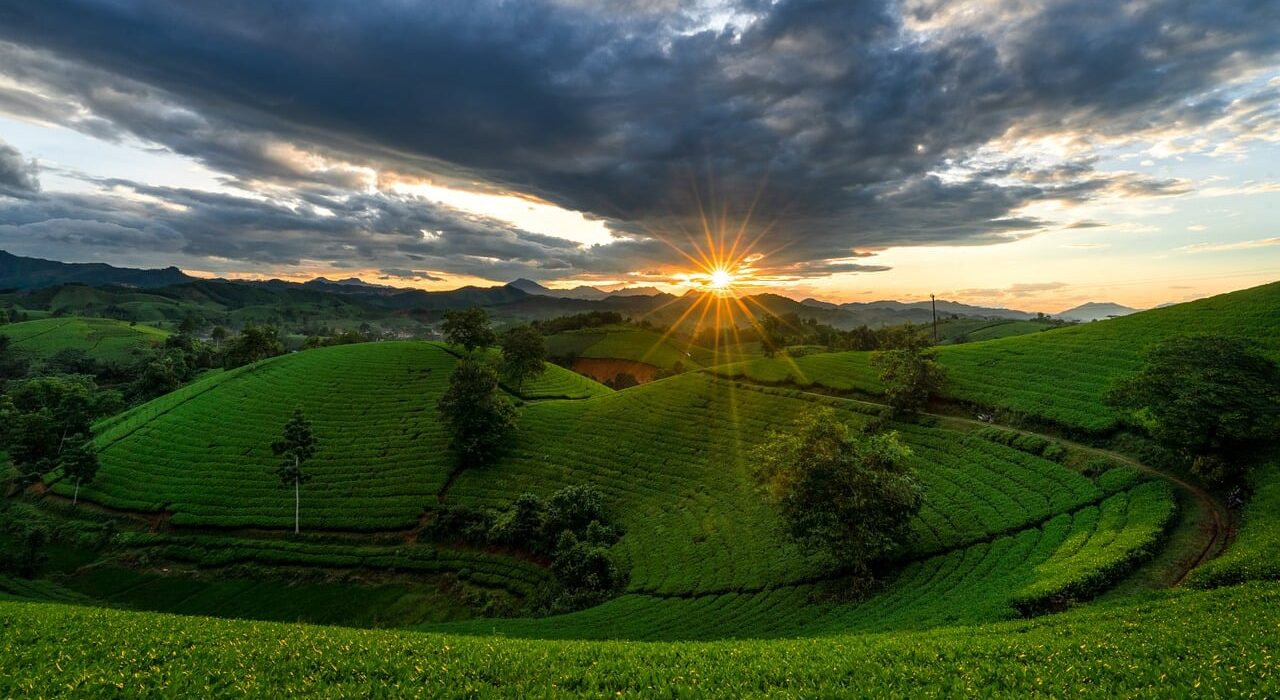
As you plan your journey to Vietnam, it’s likely you’re searching for a comprehensive Vietnam travel guide to help you navigate the country’s rich culture, stunning landscapes, and vibrant cities. Vietnam is a fascinating destination that seamlessly blends traditional and modern elements, offering an unforgettable travel experience for international visitors. From bustling streets in Hanoi to the serene beauty of Ha Long Bay, Vietnam has something to offer for every kind of traveler.
In this article, we’ll take you on a journey through the best places to visit, the best time to go, and essential tips for a smooth and enjoyable trip. We’ll cover visa requirements, transportation options, and must-try local cuisine, as well as more practical aspects like travel costs and health and safety. Whether you’re a seasoned traveler or embarking on your first adventure, this guide will provide you with the insider knowledge to make the most of your time in Vietnam.
When to Visit Vietnam
When to Visit Vietnam
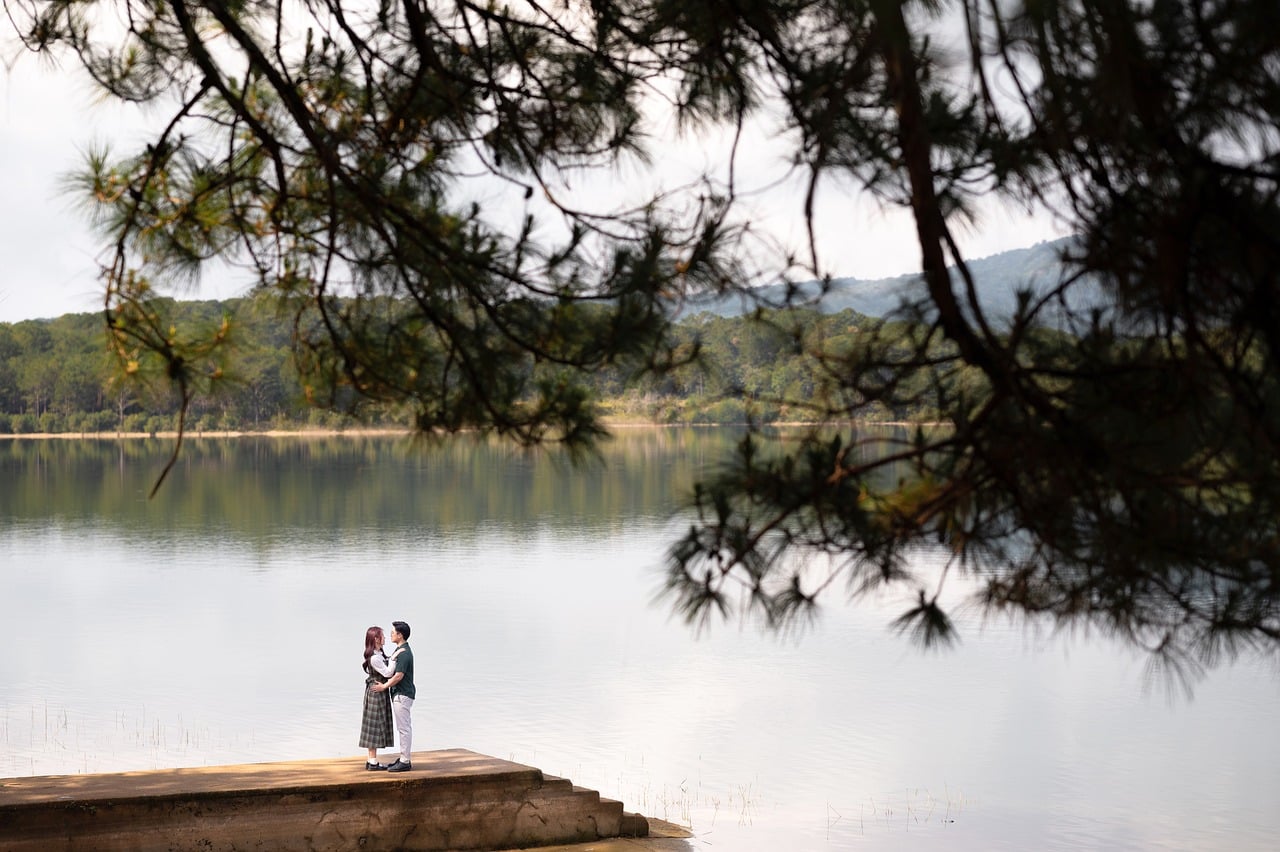
Vietnam is a year-round destination, but the best time to visit depends on the region and your preferences. The north of Vietnam, including Hanoi and Ha Long Bay, has a humid subtropical climate with hot summers and mild winters. The best time to visit the north is during the spring (March to May) and autumn (September to November), when the weather is mild and comfortable.
The central and southern regions of Vietnam, including Da Nang, Hoi An, and Ho Chi Minh City, have a tropical climate with two main seasons: the dry season from December to April and the rainy season from May to November. The dry season is the best time to visit these regions, with warm weather and minimal rainfall.
Overall, the weather in Vietnam is generally pleasant, with average temperatures ranging from 20 to 30 degrees Celsius. However, it’s always a good idea to check the weather forecast before your trip to ensure that you’re prepared for any unexpected weather conditions.
Getting Around Vietnam
When it comes to getting around Vietnam, there are several options available to suit different budgets and preferences. One of the fastest ways to cover long distances is by domestic flight. Vietnam Airlines and Jetstar Pacific are two major carriers that offer frequent flights to major cities like Hanoi, Ho Chi Minh City, and Da Nang. Flight times are relatively short, making it an ideal option for travelers with limited time.
For shorter journeys or those who prefer a more leisurely pace, trains are a good alternative. Vietnam Railways operates an extensive network of trains that connect major cities and towns, often along scenic routes. Bus travel is also a popular option, with numerous companies offering routes across the country. Additionally, private transfers can be arranged for a door-to-door service, often at a higher cost but providing greater convenience.
Regardless of the mode of transport chosen, it’s essential to plan ahead and book in advance, especially during peak travel seasons. With careful planning, getting around Vietnam can be a seamless and enjoyable experience, allowing travelers to focus on exploring the country’s rich culture and stunning landscapes.

Must-Try Vietnamese Cuisine
Vietnamese cuisine is a reflection of the country’s rich cultural heritage and geographical diversity. The bold flavors and aromas of Vietnamese food are a result of the country’s strategic location at the crossroads of Asia, where different culinary traditions have blended together. From the popular dishes like Pho, Banh Mi, and Goi Cuon, to the regional specialties like Bun Cha in Hanoi and Com Hen in Hue, each region in Vietnam has its unique flavors and ingredients.
One of the key ingredients in Vietnamese cuisine is fresh herbs, such as basil, mint, and cilantro, which are used to add freshness and flavor to dishes. The country is also famous for its street food, which is a staple of Vietnamese cuisine. From the popular dishes like Banh Xeo and Bun Bo Hue, to the fresh fruit and vegetables, Vietnamese street food is a must-try for any traveler.
When exploring the different regions of Vietnam, travelers can indulge in a variety of local specialties, such as the seafood in Hoi An, the coffee in Ha Long Bay, and the banh mi in Ho Chi Minh City. With its rich flavors and aromas, Vietnamese cuisine is a true reflection of the country’s cultural heritage and geographical diversity.
Responsible Travel in Vietnam
Discovering the beauty of Vietnam requires not only an understanding of the country’s rich culture and history but also a commitment to responsible and sustainable travel practices. One of the most effective ways to contribute to the well-being of Vietnam is to minimize your impact on the environment. This can be achieved by choosing eco-friendly accommodations, such as those that use renewable energy and have implemented sustainable waste management systems. Additionally, opting for local transportation options, like buses and private transfers, instead of renting a car or taking domestic flights, can significantly reduce your carbon footprint. By making these simple changes, you can significantly reduce your environmental impact and help preserve Vietnam’s natural beauty for future generations.
Essential Tips for Your Vietnam Trip
When planning your trip to Vietnam, it’s essential to consider health, safety, and travel insurance to ensure a smooth and enjoyable journey. Vietnam has a relatively low risk of health issues, but it’s still recommended to take precautions against diseases such as malaria, dengue fever, and food poisoning. Travel insurance is also crucial, as it can help cover unexpected medical expenses or trip cancellations. Many travel insurance policies specifically cover Vietnam, so be sure to check what’s included before purchasing.
In terms of technology, a local SIM card or portable Wi-Fi hotspot can be a convenient and affordable way to stay connected during your trip. Many cafes and restaurants offer free Wi-Fi, but this can be unreliable and slow. A local SIM card will provide you with a stable and fast internet connection, allowing you to stay in touch with family and friends back home, as well as access important travel information and maps.
Conclusion
When planning your Vietnam trip, consider working with a local travel company to ensure a smooth and memorable journey. By partnering with a reputable company, you’ll gain access to expert knowledge, personalized recommendations, and hassle-free logistics. With a local guide, you’ll be able to navigate the country’s hidden gems and experience the authentic culture that makes Vietnam so unique.
Plan your trip with Indo-Pacific Travel. Email: sales@indo-pacifictravel.com | WhatsApp/Zalo: +84 94 392 05 55