Vietnam’s Capital: Things to Know Before Your Departure
article content
A City Rooted in Heritage and Resilience
With over a thousand years of history, Hanoi stands among the oldest capitals in Southeast Asia. The city’s historic heart—the Old Quarter—is a maze of narrow streets where time-honored trades still thrive. From sacred temples and ancient pagodas to French colonial architecture, Hanoi is a living museum of the country’s past. Yet Hanoi is not frozen in time. Trendy cafés, contemporary art spaces, and boutique accommodations now coexist with traditional tea houses and street vendors, reflecting the capital’s evolving identity.Vietnam offers various visa options depending on your nationality. Many travelers can apply for a convenient e-visa online, while some countries benefit from visa exemption for short-term stays.
Vietnam provides multiple visa options for international travelers. Citizens from over 80 countries can apply for an e-visa online, valid for 30 days. Some nationalities benefit from visa exemptions for short visits. It’s highly recommended to check with the official Vietnamese immigration website or your nearest embassy for the latest information before departure.
Best Time to Visit Hanoi
The most pleasant seasons to explore Hanoi are spring (March to April) and autumn (October to November), when the weather is mild and ideal for outdoor activities. Summers can be hot and humid, with occasional tropical rains, while winters are dry and can get chilly, especially in the early mornings and evenings.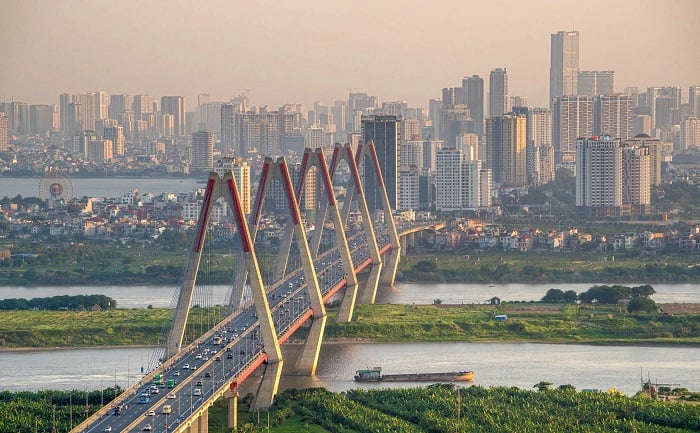
Currency and Spending Tips
Vietnam’s official currency is the Vietnamese Dong (VND), which is commonly used for all transactions throughout the country.. While credit cards are accepted in many hotels, restaurants, and shopping centers, cash remains the preferred method of payment, especially at local markets and street food stalls. Automated teller machines (ATMs) are readily available across the city, and withdrawing cash is usually straightforward. It’s a good idea to carry smaller bills for convenience, as vendors may not always have change for large denominations.Getting Around the Capital
Navigating Hanoi is relatively straightforward. Taxis and ride-hailing apps like Grab are affordable and widely used. Exploring the Old Quarter on foot is highly recommended, as it allows you to soak in the local atmosphere. Public buses are available but may be difficult to navigate for first-time visitors due to limited English signage.
Highlights You Shouldn’t Miss
- The Old Quarter: A bustling hub of traditional crafts, local eateries, and historical charm.
- Hoan Kiem Lake: A peaceful spot in the city center, perfect for early morning walks or evening strolls.
- Ho Chi Minh Mausoleum stands as a solemn and powerful tribute to the revolutionary leader and founding father of modern Vietnam.
- Temple of Literature: Vietnam’s first national university and a tribute to Confucian scholarship.
- Vietnam Museum of Ethnology: A fascinating look into the cultures and traditions of Vietnam’s 54 ethnic groups.
Hanoi’s Flavorful Street Food
Hanoi is celebrated for its vibrant and diverse street food culture. Some must-try dishes include:- Pho: Hanoi’s iconic beef or chicken noodle soup, typically enjoyed at breakfast.
- Bun Cha: Grilled pork served with rice noodles and fresh herbs in a flavorful dipping sauce.
- Cha Ca: A traditional fish dish marinated in turmeric and served with dill and noodles.
- Egg Coffee: A creamy and rich coffee topped with whipped egg yolk, unique to Hanoi.