Discover the breathtaking history behind the traditional dress of Vietnam. From the iconic Vietnamese Ao Dai to the imperial Nhat Binh royal costume, explore culture with Indo-Pacific Travel.
THE THREADS OF TIME: MASTERING THE TRADITIONAL DRESS OF VIETNAM 👘✨
article content
In the landscape of global luxury travel, the modern elite no longer seeks mere sightseeing; they seek cultural immersion that resonates with history, art, and identity. To truly understand the soul of Vietnam, one must look beyond its limestone karsts and historic monuments, and gaze into the exquisite textures of its textile heritage. The traditional dress of Vietnam is not just garment; it is a living canvas that traces the evolution of dynastic changes, regional geography, and deep-rooted spiritual values.
For high-end curators designing premium itineraries for international collectors, integrating textile heritage encounters elevates a standard holiday into a high-touch cultural narrative. From the flowing lines of the iconic modern silhouette to the strictly guarded tailoring secrets of imperial courts, here is the definitive guide to the absolute finest traditional dress of Vietnam, brought to you by Indo-Pacific Travel.
1. The Vietnamese Ao Dai: The Global Anthem of Grace
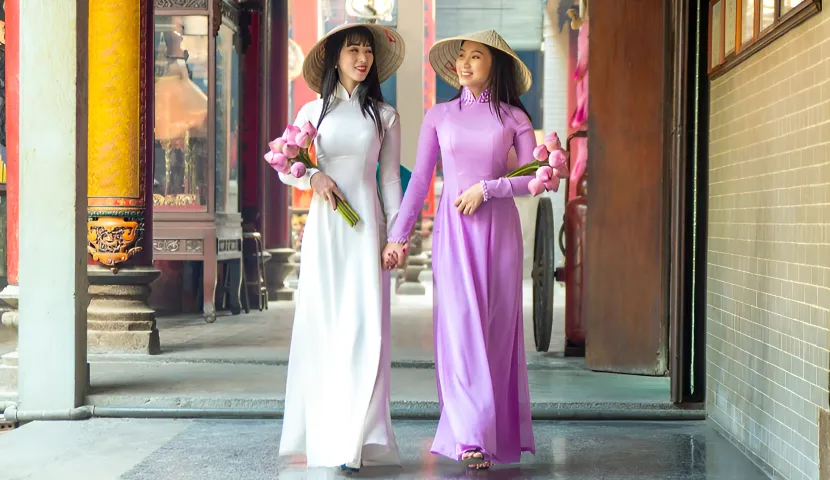
Undisputed as the national garment, the modern Vietnamese Ao Dai represents the ultimate fusion of traditional reserve and contemporary fluid elegance. Characterized by its high collar, long split tunics that gracefully drape over wide-legged trousers, it contours the wearer with effortless elegance while preserving absolute modesty.
The Evolution: Developed over centuries from the historical five-part gown (Áo Ngũ Thân), the modern adaptation became a symbol of national identity and feminine pride.
The Luxury Touch: For elite travelers, a generic off-the-rack piece will not do. We curate exclusive, private visits to the ateliers of master designers in Hanoi and Saigon, where guests undergo personalized fittings using hand-woven silk and bespoke hand-embroidery, immortalizing the most iconic traditional dress of Vietnam.
2. Ao Tu Than: The Poetic Heart of Northern Folklore

Dating back to the 12th century, the Ao Tu Than history is deeply intertwined with the agrarian rhythms and lyrical Quan Họ folk songs of the Red River Delta. This multi-layered ensemble beautifully mirrors the resourcefulness and modest charm of northern women.
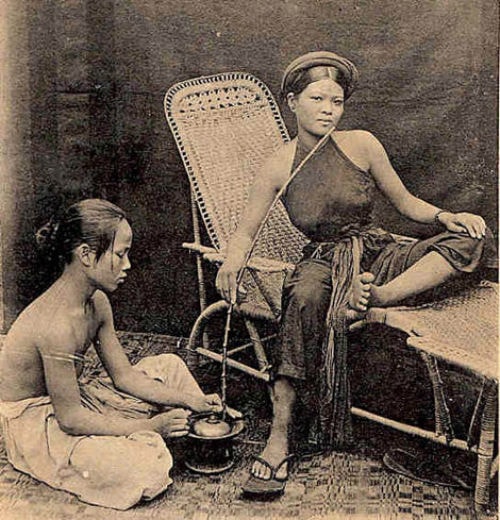
The Anatomy: The outfit consists of a long tunic split into four panels—two back panels stitched together and two front panels tied loosely at the waist over a vibrant silk halter top (Áo Yếm) and a long black skirt.
The Aesthetic: Accompanied by the striking Nón Quai Thao (a colossal, flat palm-leaf hat), this dramatic and historical ensemble stands out as a highly requested showcase in cultural photography tours focusing on the authentic traditional dress of Vietnam.
3. Ao Ba Ba: The Gentle Spirit of the Southern Mekong

As the topography flattens into the endless, labyrinthine waterways of the Mekong Delta, the textile narrative shifts to the simple, breezy charm of the Ao Ba Ba southern Vietnam attire.
The Design: Stripping away the multi-layered complexity of northern gowns, the Ao Ba Ba is a collarless, short-buttoned tunic featuring side slits and two practical front pockets, worn over lightweight black or white trousers.
The Counterpart: Paired with a Khăn Rằn (a multi-use checkered cotton scarf) and a classic conical hat (Nón Lá), this garment symbolizes the free-spirited, hospitable, and practical nature of life along the great riverways. Introducing guests to weavers who dye these fabrics using natural tree bark extracts is a phenomenal addition to any eco-luxury itinerary.
4. The Nhat Binh Dress: Rediscovering Dynastic Opulence

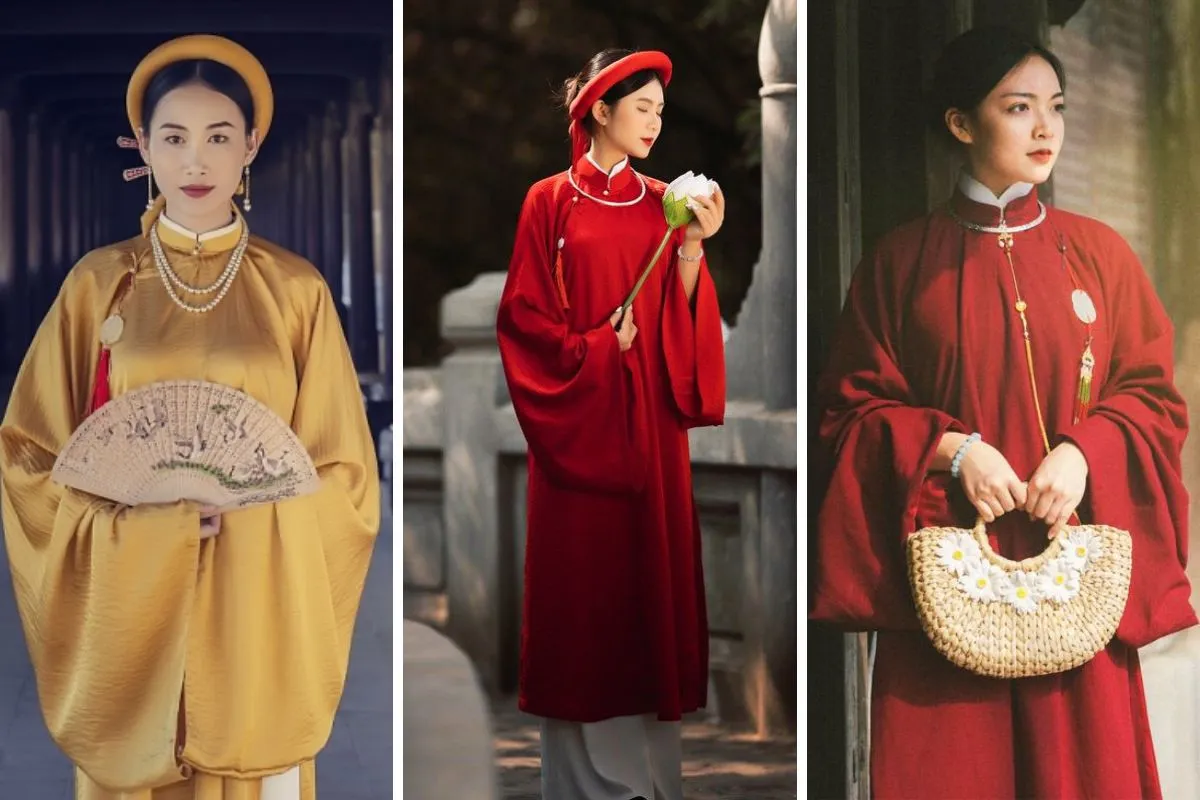
In recent years, the global renaissance of heritage luxury has brought Vietnamese traditional clothing from the royal courts of the Nguyễn Dynasty back into the international spotlight. The crowning jewel of this revival is the magnificent Nhat Binh dress.
The Regalia: Reserved exclusively for empresses, princesses, and high-ranking noble women of the imperial court, the Nhat Binh is a wide-sleeved, front-opening rectangular gown. Its name derives from the large rectangular pattern embroidered across the neckband.
The Symbolism: The sleeve cuffs feature meticulous five-colored bands representing the five elements of Eastern philosophy. Crafting a private heritage tour through Hue Imperial City while dressed in custom royal attire gives travelers a profound, tactile connection to royal history.
💬 CO-CREATE A LUXURY CULTURAL NARRATIVE
Designing a truly captivating heritage experience requires deep entry into the world of preservationists, elite weavers, and generational historians. As your dedicated inbound DMC, Indo-Pacific Travel excels at seamlessly integrating the rich history of the traditional dress of Vietnam into luxury travel modules—combining private masterclasses, museum-grade textile viewings, and bespoke tailoring management. Let’s design an extraordinary cultural journey together.