Learn the most common Vietnamese hand gestures and body language before your trip. Discover Vietnam travel etiquette, cultural tips, and gestures to avoid
Vietnamese Hand Gestures You Should Know Before Visiting Vietnam
Planning your first trip to Vietnam? While learning a few Vietnamese phrases is always helpful, understanding Vietnamese hand gestures can make your journey even more enjoyable.
From ordering delicious street food to chatting with locals in a bustling market, body language plays an important role in everyday communication. Although many gestures are universal, some have different meanings in Vietnam. Knowing these cultural differences can help you avoid misunderstandings and leave a positive impression wherever you go.
In this guide, we’ll introduce the most common Vietnamese hand gestures, explain what they mean, and share practical Vietnam travel etiquette tips to help you travel like a local.
Why Understanding Vietnamese Hand Gestures Matters
One of the best parts of traveling is connecting with local people. In Vietnam, communication isn’t just about speaking the language—it’s also about understanding the country’s customs and non-verbal cues.
Vietnamese people are known for being warm, welcoming, and respectful. Small gestures, such as handing someone money with both hands or greeting them with a friendly smile, can show appreciation for local culture and make interactions feel more natural.
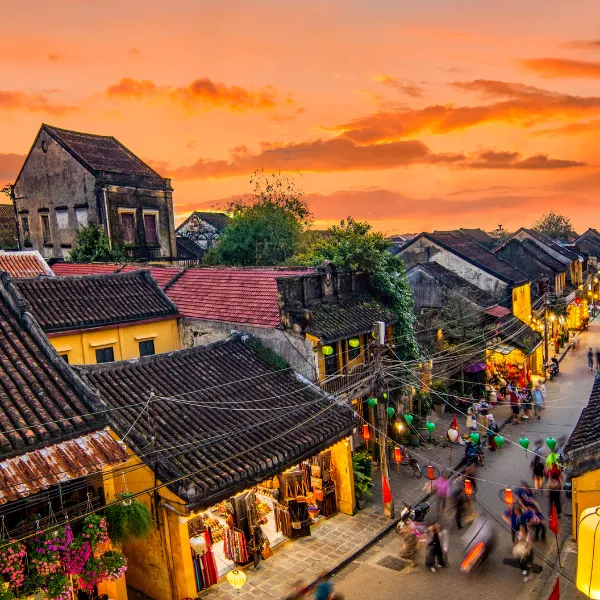
Whether you’re exploring Hanoi’s Old Quarter, cruising through Ha Long Bay, wandering the lantern-lit streets of Hoi An, or enjoying the vibrant energy of Ho Chi Minh City, knowing a few Vietnamese hand signs will help you feel more confident during your travels.
10 Common Vietnamese Hand Gestures
1. Palm-Down Beckoning: The Polite Way to Say “Come Here”

One of the first gestures visitors notice in Vietnam is the way people call someone over.
Instead of facing the palm upward, Vietnamese people usually hold their palm facing down and gently move their fingers toward themselves.
This gesture is considered polite and is commonly used in restaurants, cafés, shops, and everyday conversations.
Travel Tip: If you’re trying to get your server’s attention, use the palm-down motion instead of curling one finger.
2. Giving and Receiving with Both Hands
When exchanging money, gifts, business cards, or important documents, it’s customary to use both hands or support one hand with the other.
This simple gesture symbolizes respect and sincerity, especially when interacting with older people or someone you’re meeting for the first time.
Although younger generations may be more casual, using both hands is always appreciated.
3. Point with an Open Hand Instead of One Finger

Need to show someone a direction?
Rather than pointing with a single finger, Vietnamese people often gesture using an open hand.
Pointing directly at someone’s face or body may be considered impolite.
Using an open palm feels more respectful and is widely practiced throughout Vietnam.
4. A Thumbs-Up Means “Good!”
Thankfully, this gesture is easy to understand.
A 👍 thumbs-up generally means:
- Good
- Great
- Well done
- Everything is okay
Whether you’ve just finished an amazing bowl of pho or enjoyed an unforgettable boat tour, giving your guide a thumbs-up is a friendly way to show appreciation.
5. The Peace Sign Is a Favorite Photo Pose

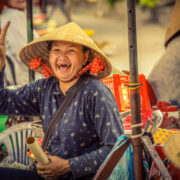
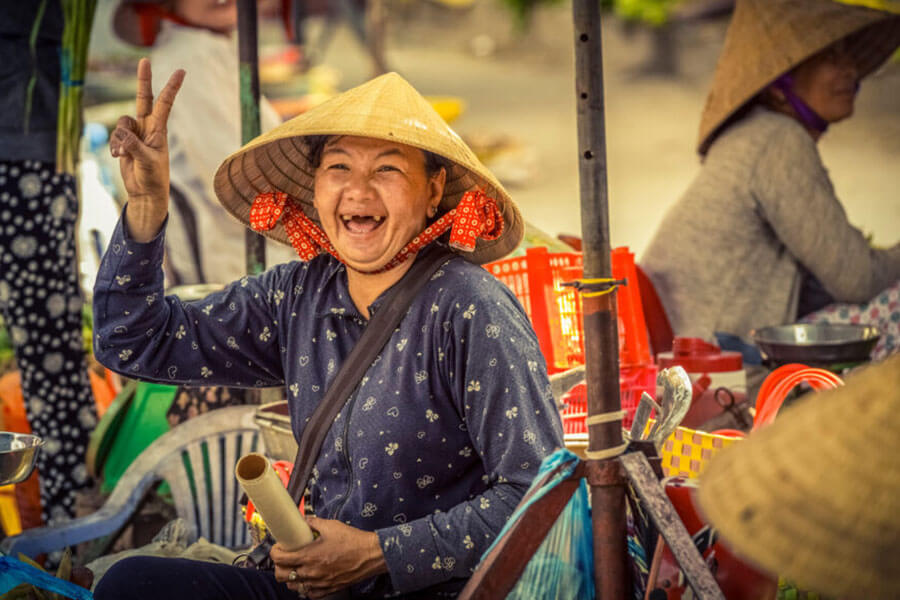
Travel around Vietnam, and you’ll quickly notice people flashing a ✌️ peace sign in photos. The peace sign is one of the most recognizable Vietnamese hand gestures you’ll notice when taking photos with local people.
From teenagers to grandparents, it’s one of the country’s most popular poses and simply represents fun, happiness, and friendship.
Feel free to join in—it makes for great travel memories!
6. Handshakes Are Common Greetings
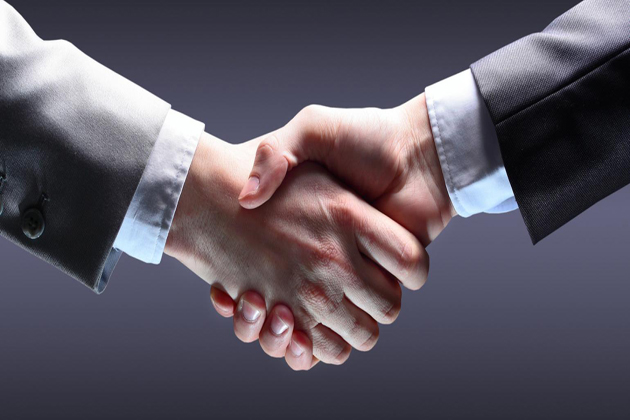
When meeting someone in a professional setting or joining a guided tour, a light handshake is perfectly appropriate.
Among friends and family, however, greetings are often more relaxed and may simply include a smile, a wave, or a nod.
7. Smiling Is the Universal Language
.jpg)
Perhaps the most meaningful gesture in Vietnam isn’t made with your hands at all.
It’s your smile.
A genuine smile is one of the most meaningful Vietnamese hand gestures and non-verbal communication styles you’ll experience while traveling in Vietnam.
Don’t underestimate its power during your travels.
8. Respect Personal Space and the Head
In Vietnamese culture, the head is traditionally regarded as the most respected part of the body.
For this reason, avoid touching someone’s head, including children’s, unless you know them well.
It’s a small cultural detail that many visitors aren’t aware of.
9. Keep Public Displays of Affection Modest
Vietnam is a modern country, but cultural traditions remain important.
Holding hands is perfectly normal, but passionate kissing or excessive displays of affection are less common, particularly in temples, rural communities, and family-oriented public spaces.
Respecting local customs is always appreciated.
10. Observe Before You Copy
One of the easiest ways to avoid cultural mistakes is simply to watch how local people interact.
Notice how they greet one another, exchange money, or communicate without words.
When in doubt, follow their example.
Gestures Tourists Should Avoid in Vietnam
While Vietnamese people are generally very understanding toward international visitors, avoiding these gestures can help you make a better impression.
❌ Beckoning Someone with One Finger

This gesture is commonly associated with calling animals and may be considered disrespectful.
❌ Pointing Directly at People
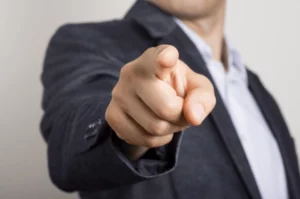
Instead, gesture with an open hand whenever possible.
❌ Touching Someone’s Head
The head holds cultural significance, so avoid patting children or adults on the head.
❌ Throwing Money onto the Counter
Hand money directly to the cashier, preferably using both hands.
❌ Loud or Aggressive Gestures
Large, dramatic hand movements may come across as confrontational. Staying calm and polite is always the better approach.
Cultural Tips for Visiting Vietnam
Besides learning a few hand gestures, these simple etiquette tips will help you enjoy a smoother travel experience.
- Smile often and be patient.
- Dress modestly when visiting temples and pagodas.
- Remove your shoes when entering someone’s home if requested.
- Respect older people and local traditions.
- Learn a few basic Vietnamese phrases like “Xin chào” (Hello) and “Cảm ơn” (Thank you).
- Observe local customs if you’re unsure how to behave.
Remember, showing respect is more important than being perfect.
Frequently Asked Questions
Is the thumbs-up gesture rude in Vietnam?
No. A thumbs-up is widely understood as a positive gesture and generally means “good,” “great,” or “okay.”
How do Vietnamese people call someone over?
Most Vietnamese people use a palm-down beckoning motion rather than curling one finger.
Is pointing considered rude?
Pointing directly at people with one finger may be considered impolite. Using an open hand is a more respectful alternative.
Should I use both hands when giving money?
Yes. Using both hands when giving or receiving money, gifts, or important items is considered polite and respectful.
Do I need to learn Vietnamese before visiting?
Not at all. Many people working in tourism speak English, and a friendly smile, good manners, and basic cultural awareness will go a long way.
Final Thoughts
Learning a few Vietnamese hand gestures is one of the easiest ways to better understand the country’s culture and connect with local people.
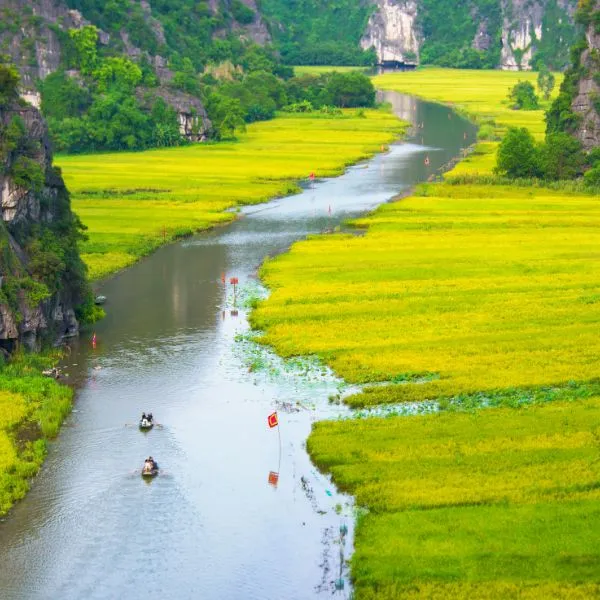
These small but meaningful customs can help you navigate daily interactions with confidence, whether you’re shopping at a local market, enjoying street food, or exploring Vietnam’s breathtaking landscapes.
The best journeys aren’t just about the places you visit—they’re also about the people you meet along the way.
Ready to experience the beauty, culture, and hospitality of Vietnam? Let Indo-Pacific Travel help you create unforgettable memories with authentic local experiences, expertly guided tours, and personalized travel itineraries.
Start planning your Vietnam adventure today!
Related Articles