
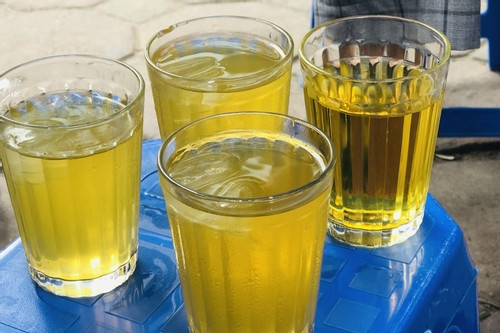
When people think of Vietnamese drinks, iconic favorites like egg coffee or cà phê sữa đá (Vietnamese iced coffee) often come to mind. Yet, ask any local what they drink every day, and the answer is likely to be trà đá vỉa hè—Vietnamese sidewalk iced tea.
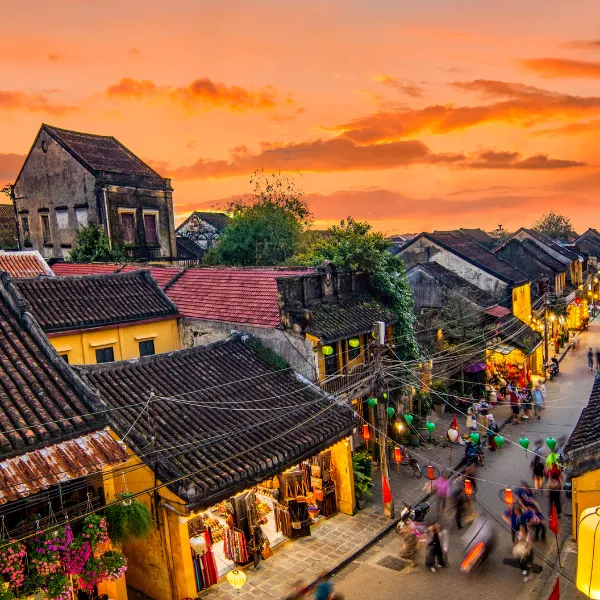
Found on almost every street corner in cities like Hanoi, Ho Chi Minh City, Da Nang, and Hue, this humble glass of iced tea is much more than a refreshing beverage. It represents Vietnam’s unique sidewalk culture, where people gather to chat, relax, and watch the world go by.
Whether you’re visiting Vietnam for the first time or looking for authentic local experiences, enjoying a glass of trà đá vỉa hè is something you shouldn’t miss.
What Is Vietnamese Sidewalk Iced Tea?
article content
“Trà đá” simply means iced tea, while “vỉa hè” translates to sidewalk. Together, the phrase describes the small roadside tea stalls that are part of everyday life across Vietnam.
Unlike sweet iced teas commonly found in many Western countries, Vietnamese sidewalk iced tea is brewed from green tea or jasmine tea leaves, then poured over plenty of ice. The result is a drink that is light, slightly bitter, incredibly refreshing, and perfect for Vietnam’s tropical climate.
One of the best parts is the price. A glass usually costs between 3,000 and 5,000 VND, making it one of the most affordable local experiences you can enjoy.
Why Trà Đá Vỉa Hè Is the Heart of Vietnamese Street Culture
A Place Where Everyone Meets
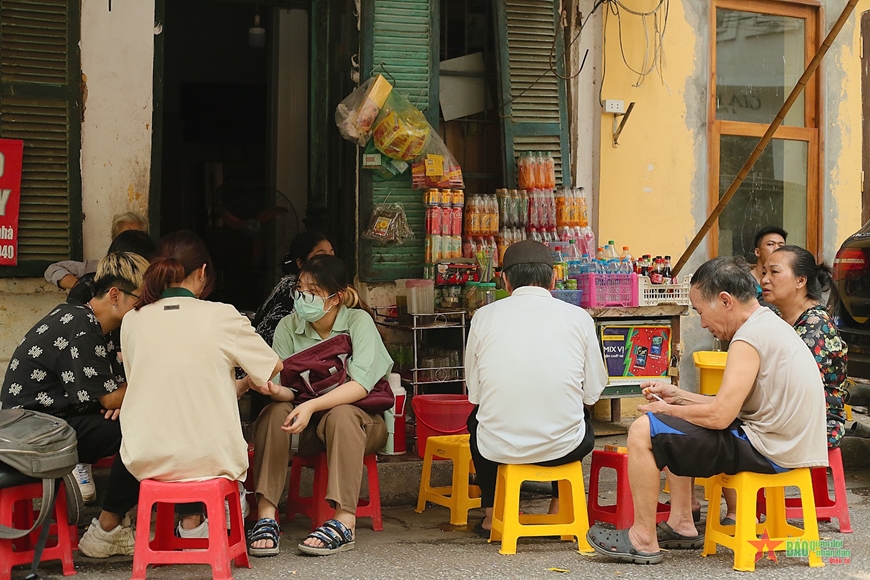
Sidewalk tea stalls bring together people from every walk of life. Office workers stop by after work, university students gather between classes, motorbike drivers take short breaks, and elderly locals spend hours chatting with friends.
No matter your profession or background, everyone sits on the same small plastic stools, creating a welcoming atmosphere that reflects Vietnam’s strong sense of community.
The Culture of “Chém Gió”
One phrase you’ll often hear in Vietnam is “chém gió,” literally meaning “slashing the wind.” In everyday conversation, it refers to casual chatting, storytelling, joking around, or discussing everything from football to politics.
Many locals visit trà đá stalls not because they’re thirsty, but because they’re looking for a place to socialize.
The Perfect Street Snack Combination
A glass of trà đá is often accompanied by simple local snacks, including:
- Roasted sunflower seeds (Hạt hướng dương)
- Traditional peanut candy (Kẹo lạc)
- Dried fruits or local sweets
- Various street food snacks depending on the region
These inexpensive treats encourage people to sit longer, talk more, and enjoy the relaxed atmosphere.
Hanoi vs. Ho Chi Minh City: Different Tea Traditions
Although trà đá can be found throughout Vietnam, each region has its own style.
Hanoi
In Hanoi, trà đá is usually brewed from strong green tea or jasmine tea, giving it a richer and slightly more bitter taste. Many locals visit dedicated tea stalls where ordering a glass of trà đá is the main purpose.
Ho Chi Minh City
In Ho Chi Minh City (Saigon), iced tea is often lighter in flavor and is frequently served free alongside meals or coffee. It acts as a complimentary drink rather than the main attraction.
How to Order Trà Đá Like a Local
Ordering is simple, even if you don’t speak Vietnamese.
You can say:
“Cho em một cốc trà đá.”
This means, “Can I have one glass of iced tea, please?”
If you’d like sunflower seeds as well, simply ask for:
“Hạt hướng dương.”
Most vendors are friendly and accustomed to helping visitors.
Tips for Foreign Travelers
Choose Busy Stalls
Popular stalls with many local customers usually have fresh tea and cleaner preparation practices.
Check the Ice
If you have a sensitive stomach, choose vendors using factory-made tubular ice rather than hand-crushed block ice.
Carry Small Cash
Most tea stalls only accept cash, and having small bills makes payment easy.
Relax and Enjoy
Don’t rush. The experience isn’t just about drinking tea—it’s about slowing down, observing local life, and enjoying conversations around you.
How Much Does Vietnamese Sidewalk Iced Tea Cost?
Typical prices include:
- Local neighborhoods: 3,000–5,000 VND
- Tourist areas: 5,000–7,000 VND
- Cafés or restaurants: 10,000–20,000 VND
Even in popular tourist districts, trà đá remains one of Vietnam’s best-value experiences.
Why Every Traveler Should Try Trà Đá Vỉa Hè
Some of the most memorable travel experiences aren’t expensive attractions or luxury restaurants—they’re simple moments shared with local people.
Sitting on a tiny plastic stool, sipping a cold glass of tea while watching scooters flow through the streets offers a genuine glimpse into everyday Vietnamese life.
If you truly want to experience Vietnam beyond the guidebooks, make time for trà đá vỉa hè. It’s affordable, authentic, and one of the easiest ways to connect with the country’s vibrant street culture.
Explore Vietnam Beyond the Sidewalk Tea Experience
If you’re planning to discover the authentic culture, local cuisine, and hidden gems of Vietnam, consider joining our 10-Day Vietnam Tour. From bustling cities and vibrant street food scenes to breathtaking natural landscapes and cultural landmarks, this carefully designed itinerary lets you experience the very best of Vietnam with knowledgeable local guides.
👉 Explore our 10-Day Vietnam Tour here: https://www.facebook.com/reel/990628760517849
👉 Vietnam 10 Day Tour: Explore Hanoi, Halong Bay, Da Nang & Phu Quoc